
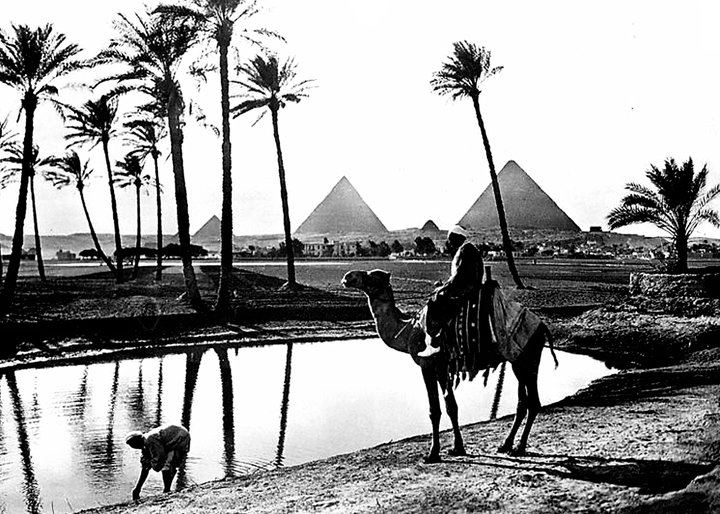
Ancient Egypt is one of the great civilizations of the past. The ancient Greeks saw Egypt as the source of all wisdom. Roman emperors travelled to Egypt to marvel at monuments such as the Pyramids. They admired them so much that Egyptian Statues and Obelisks were sent to decorate Rome. The worship of ancient Egyptian Gods & Goddesses like Isis and Osiris spread throughout the Roman Empire as far as Britain.
Ancient Egyptian history is a long and complex one with more than 3,000 years of details. Throughout these 3,000 years ancient Egypt lived under 30 Royal Dynasties. Each dynasty consists of a line of kings (Pharaohs). Pharaoh means in English “The Great House”.
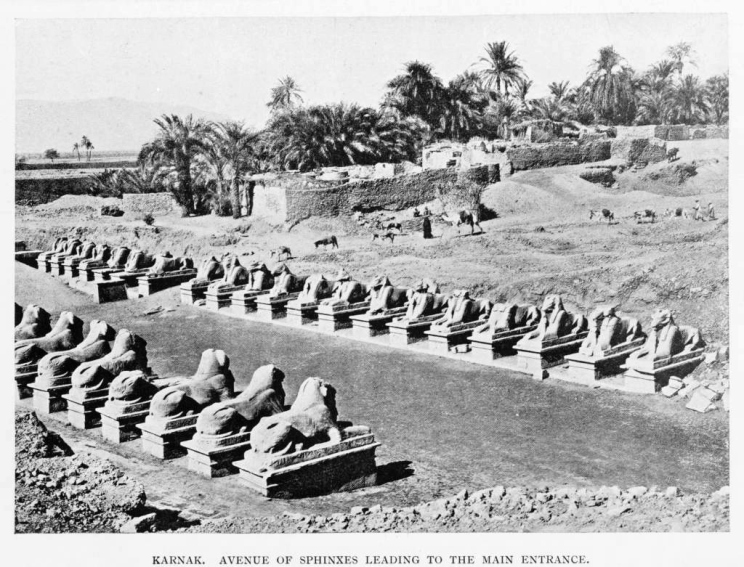
Ancient Egypt had experienced many changes through this long history including the Rise and Fall of the Kingdom, the birth of powerful pharaohs who turned Egypt into a very powerful Kingdom that spread its northern border to Syria in Asia and its southern border to north of Kenya in Africa. They were also building great monuments such as the Pyramids, Karnak temple, Kings Valley and Abu Simbel temples that still stand today.
The Story of Ancient Egypt began 5000 years ago. The country consisted of two separate lands, Upper & Lower Egypt (South & North) with the Nile flowing from East Africa highlands down to the Mediterranean Sea. Southern Egypt became known as Upper Egypt, and Northern Egypt
became known as Lower Egypt. As these two regions developed independently of each other, both regions had their own Royalties, for example the King of Lower Egypt wore a Red Crown while the King of Upper Egypt wore a White Crown and Lotus flower was the symbol of Lower Egypt while the Papyrus flower was the symbol of Upper Egypt.

 Around 3,500 B.C.E King Menes, Narmer or “The Scorpion King” who was the king of Upper Egypt united the two regions and announced himself the King of Upper & Lower Egypt. From this point on all the kings of united Egypt were called pharaohs were referred to as the rulers of the Two Kingdoms. The pharaohs were now represented in all artistic scenes inside their temples and tombs with the crowns of Upper and Lower Egypt combined to become one crown.
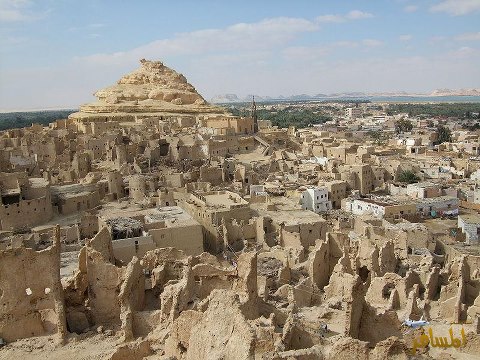
The Pharaohs used to live in a Royal Palace and most of the Pharaohs had several palaces all over ancient Egypt as part of their duties was to carry out tours of inspection to each part of the country at least once every two years.
In theory the Pharaoh had absolute power but he had to govern Egypt through his officials. Finding officials who would be loyal and honest seemed to have been a problem. The King was always the head of the legal system. Some Pharaohs led the army in person in their battles against foreign enemies or rebels.
Ancient Egyptian Kings were thought to get their authority from gods and to be in some ways god-like or divine themselves. The Kings were expected to build temples for the gods and keep them happy with gifts, offerings and animal sacrifices.
Much of the King’s time was taken up with elaborate ceremonies that were believed to ensure the well-being of Egypt. The King was held responsible for making the Nile rise to the right level every year so the crops could grow.
One of the most important royal ceremonies was the Sed festival which was first celebrated in the 30th year of a king’s reign (if he made it that long!!). The purpose of this festival, which included a ritual race, was to persuade the gods to renew the king’s strength and to grant him a long life.

The King would prepare for death by building himself a splendid Pyramid (during the old & middle Kingdom) as seen in the great Giza Pyramids. Later during the New Kingdom that concept was replaced by tomb building at the “Valley of the Kings” in Luxor city.
According to the Ancient Egyptian beliefs, the soul, which was called BA, would reunite with his mummified body which was called the KA so they could have an afterlife. They also believed that everyone’s chance of life after death depended on how good he/she lived their life; therefore it was very important to have a tomb. Firstly to make sure there was a place for the body to meet the soul and secondly using the walls to illustrate in beautiful painted scenes how good they had lived their lives.
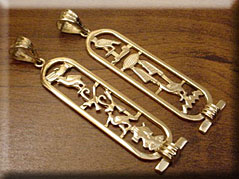
Each Egyptian Pharaoh had at least five names. The most important was the throne name and the birth name. These two names were usually written inside a Cartouche, an oval of rope symbolizing “everything which the sun encircles”. The Egyptians believed that a person’s life was bound up in his name. You could help the dead by speaking their names aloud or destroy them by erasing their names wherever they appeared.
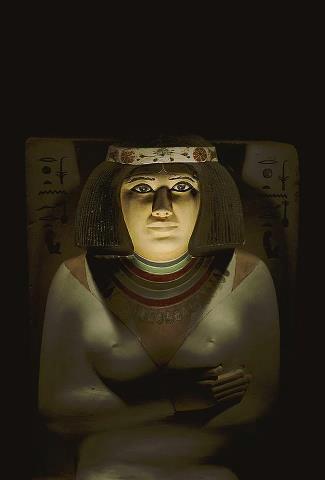
The Pharaoh had one great royal wife “The Chief Queen”, he also had other lesser important wives. Pharaohs used to marry foreign wives from outside Egypt in order to maintain peace with other nations.
When a Pharaoh died, his successor was usually the eldest son from his chief queen, if the great royal wife had no son an heir had to be chosen from among the children of the lesser wives. There seems to have been no clear rule about how was this done as we have some incidents were we see an important person of non-royal birth became ruler of ancient Egypt by marrying the eldest daughter of a king and his chief queen.
If Ancient Egypt has always fascinated you or you have a special interest then please contact us regarding our special Egyptology focussed itinerary to learn more.
www.exploretravelandcruises.com
Call: +44 (0)845 845 3536
Call: +44 (0)1252 641989
Please feel free to share this post and don’t forget to sign up to our newsletter to keep up to date with Explore Travel and Cruises.
Written by Mohamed Fahmy
MA Egyptology
Explore Travel and Cruises